
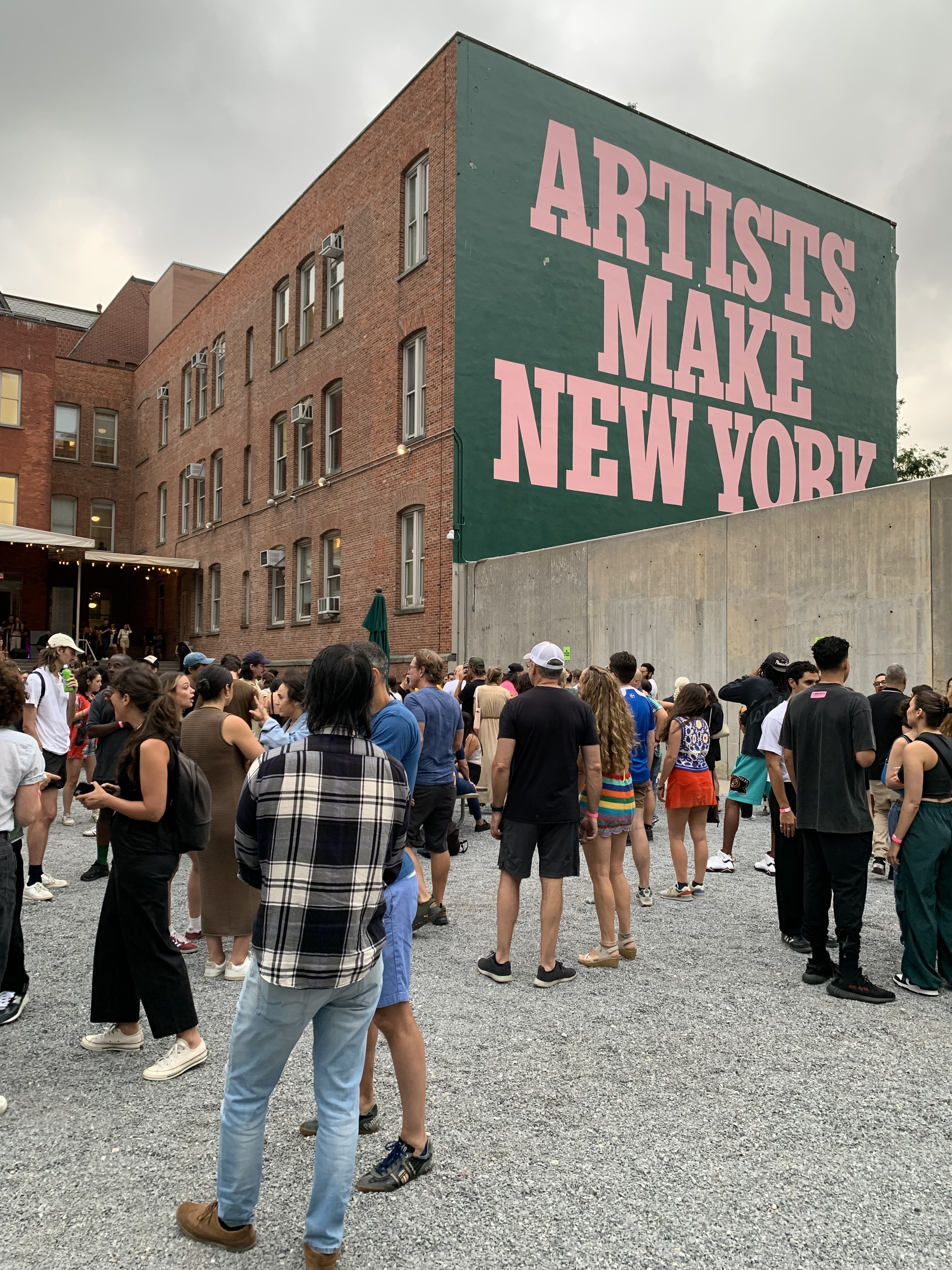
I think about access to art and access to journalism quite a lot, and I recognize that how we fund these notions reflects important philosophical approaches to our societal priorities. In the case of art, among artists and arts leaders, most fall into two passionate categories: “Art Should Be Free” or “People Should Pay for Art”.
MoMA PS1’s recent opportunity to remove its admission fee for the next three years brings this conversation into view once again. Inside of arts institutions, the notion of admission—free or otherwise—is often a source of debate among staff, board members, funders, and consultants. I’ve been tracking this topic for over a decade, including in a 2017 article, because it’s one of the few topics that forces important, nontraditional conversations about what we value and how we pay for it.
Shifts like this at museums—large or small—don’t happen quickly, and often require much internal debate among the “Art Should Be Free” and “People Should Pay for Art” factions, as well as a clear approach on how to fund such an initiative. In this instance, however, MoMA PS1’s decision was likely made without much internal friction, courtesy of a $900,000 gift by entrepreneur and art collector Sonya Yu.
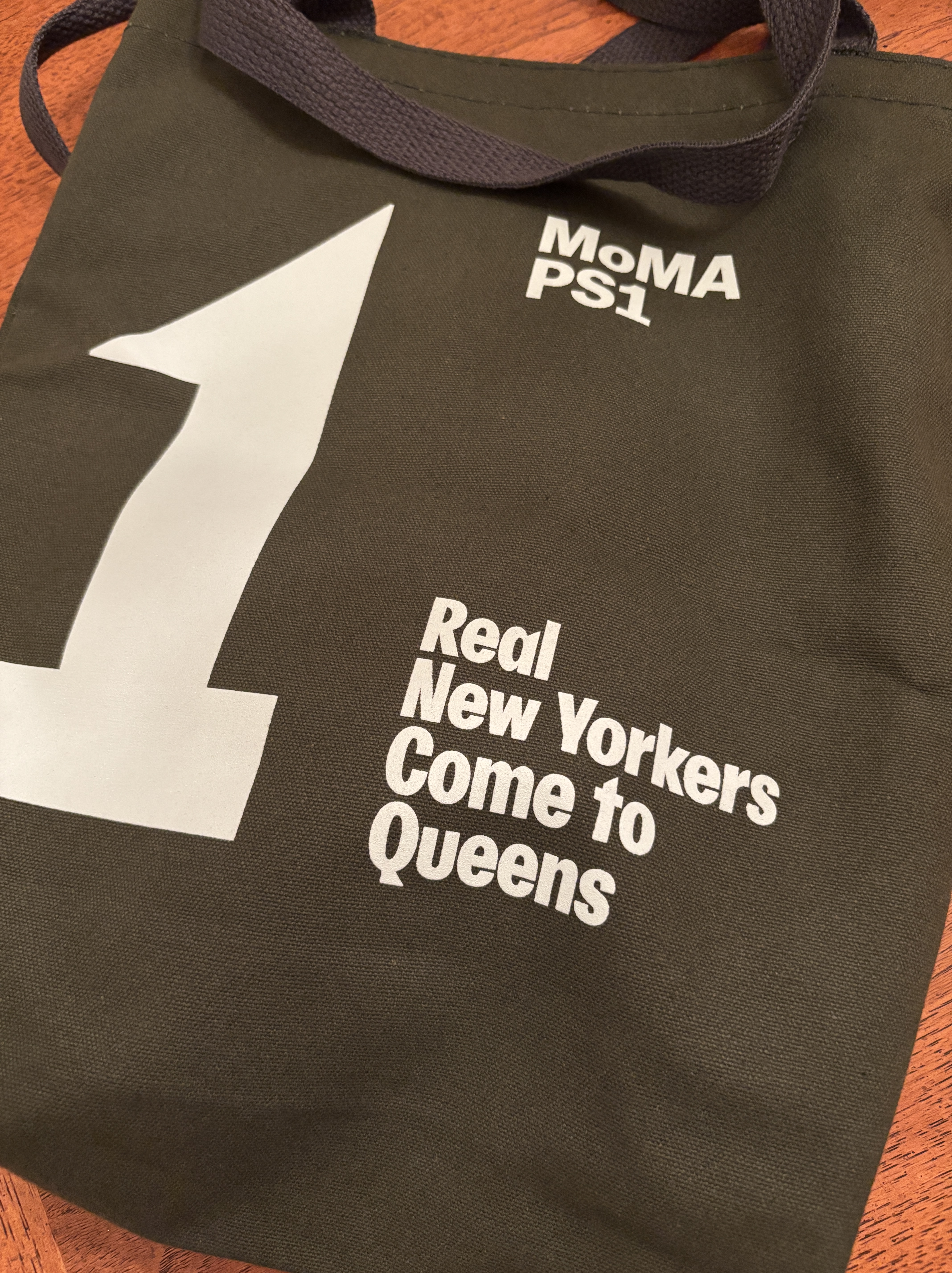
For context, a handful of New York City’s cultural institutions are already free admission for New York residents and maintain an admission fee for non-residents. I’m sure this announcement by such a significant institution might inspire similar moves by others, or at a minimum spark a healthy debate on what it means to foster and fund this type of access to contemporary art.
 Floyd Hall